The Tinnitus Diet – 5 Do’s and Don’ts

Have you ever noticed how the buzzing, ringing hissing, cracking in your ear seems to be worse on some days and then not as bad on another day? Just take a moment now to think what you just ate? Did you have burger and fries or a few cups of strong coffee? My T. used to be worse after a Chinese take away! As you know there’s a lot of salt in one of those. Having a good diet is essential for managing the volume and frequency of the tinnitus noises you hear. As you read this article you’re going to discover 5 do’s and don’ts of the tinnitus diet.

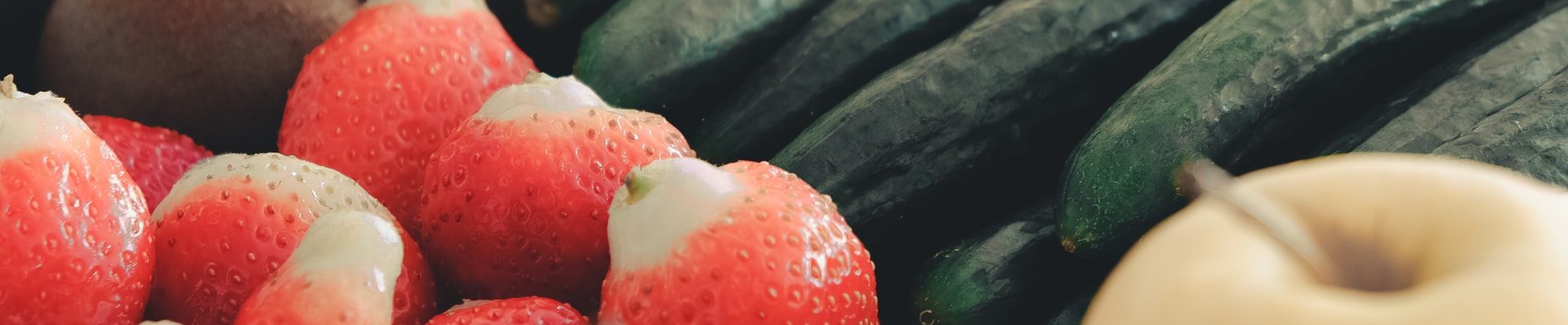
DO…give your body premium fuel. Your body needs it to function properly. Eat plenty of fresh fruit and vegetables, meat, fish and whole grains,beans, nuts olive oil, cheese, yogurt and eggs. Go organic if you can! These foods will be rich in vitamins and minerals and will boost your immune system.

DO NOT…eat junk foods. The are filled with empty calories. They are also very high in salt. Salt makes tinnitus symptoms worse by restricting the blood vessels, increasing blood pressure and reducing the blood flow to the ears, eyes and brain. When intake of salt is reduced, people report that tinnitus sounds are lessened. Most processed foods are also high in flavour enhancers such as Glutamate. Glutamate floods the neuroreceptors in the auditory pathway and excites them to a point where they fire continuously. Continue reading “The Tinnitus Diet – 5 Do’s and Don’ts”

Fresh or Organic Peas Have a Pleasing Color and an Amazing Flavor When Chucked and Seasoned Well

Pass me the peas, please…

One delicious way of infusing more color and flavor to your holiday dinner table is by purchasing farm-fresh vegetables; like multicolored corn on the cob; or one of my favorites, dark, green peas still in the shell, though chucked, cooked and seasoned well!

Chuck your own peas this year; a time investment and more attention; retrieve peas from their shells; you’ll notice the difference of natural selection, sweetness and crispness, and a few other qualities that are worthy of mention…

Suggestions: Continue reading “Fresh or Organic Peas Have a Pleasing Color and an Amazing Flavor When Chucked and Seasoned Well”

French Wines – Gigondas

If you are familiar with my writings on wine, you know that for me the taste of a wine tops my agenda in criticizing that wine. It is not what the experts think and base their opinions on, it is basically the taste of the wine.

Not being a fan of tannic, oaky and heavy wines, I tend to recommend smooth, settling, and delightful wines that have a clean finish and lack aftertaste. So if you are a die hard California wine drinker that enjoy heavy Cabs and Merlots that have been vinified and developed in relatively new French oak barrels, and carry this conspicuous woody flavor and tannin that linger in your mouth, then you probably do not appreciate my articles as much.

However, if you are a wine drinker that enjoys and even prefers a certain smoothness in a wine that provides a sense of delight in your mouth, my next recommendation in these types of wines is an impressively enjoyable wine from the Rhone region of France called Gigondas. Continue reading “French Wines – Gigondas”

Emilia-Romagna – Italy’s Culinary Capital?

By a stroke of luck I ended up in Emilia-Romagna, an Eden of fine cooking and savory ingredients. I’d been living in France for nearly a decade and, while the food captivated me, each trip to Italy begged another. Growing up in the U.S, I had an idea of Italy as a European state, but now I was discovering its infinite provincial diversity. The nation has millennia of history, but it’s only been a unified country since 1861. Twenty individual regions weave a multicolored patchwork of provinces, cities, and villages: bygone kingdoms and feudal states.

In 2000 I landed a job as a tour guide with a company based in Forlì. No idea where that was. I hefted my world atlas onto the kitchen table and thumbed through the index: F… For… Forlì. Italy sculpts more of a leg than a boot on the map. Forlì lies in Emilia-Romagna: a broad expanse spreading across her thigh like a garter. The region takes its name from the Via Aemilia – the 160-mile ancient Roman road stretching east, straight as a tightrope from Piacenza to the Adriatic Sea. Continue reading “Emilia-Romagna – Italy’s Culinary Capital?”

Delicious Mushroom and Carrot Soup

1 onion finely chopped

8 cups chicken broth

2 Tsp fresh basil chopped

1 Tsp fresh cilantro chopped

2 cups of mushrooms, sliced

1 bay leaf

1 tsp olive oil

2 carrots, sliced

Place the chicken broth in a large pan. Add the bay leaf and bring to a boil.

Melt the butter in a saucepan over medium heat. Add the mushrooms,

and season with salt and pepper (exclude the salt if the broth has salt).
Continue reading “Delicious Mushroom and Carrot Soup”

How To Prepare Bird Nest Soups And Thumbprint Cookies

Bird nest soup is a unique nutritious delicacy savored by people mostly in South-East Asia and several other parts of the world. The soup is made from the nests of Swiftlets and it’s a natural source of several nutrients including protein. But, preparing the soup often seem like a tough task to some people, especially those trying to do so for the first time.

Regardless of how you choose to prepare the soup, preparing the nest for cooking follow similar process. Here they are:

Measure: place the desired amount of bird nest you intend to cook in a soup bowl. The bowl should be large enough to give the nest some space to expand during soaking. While measuring the actual amount to prepare is a bit tricky, to cook a rice bowl for dessert you may need 6-7 grams of nest.

Soak: carefully place the nest in cool boiled water to soak. Ensure the entire nest is submerged in water to allow it expand accordingly.

Sift: after you observed that the nest is fully soaked and has expanded, pour the water away by using sift or a double layered filter to prevent the nest from floating off with the water. Continue reading “How To Prepare Bird Nest Soups And Thumbprint Cookies”

Cream of Cauliflower Soup With Curry

Just like the fashion industry, the food industry has its trends. What’s trending now? These vegetables are grabbing the limelight–Brussles sprouts, kale, and cauliflower. Recipes for these vegetables are popping up everywhere, on the Internet, in magazines, newspapers, and even conversation. If you haven’t tried this trio before, you may be hesitant to do so.

But your grandmother and mother were right when they proclaimed, “Eat your vegetables. They’re good for you!” Vegetables contain vitamins and minerals that are essential for good health.

According to the Self Nutrition Data website, cauliflower contains 25 calories per serving, three grams of fiber, two grams of sugar, and two grams of protein. It also contains vitamins A, C, K, folate, calcium, magnesium, phosphorus, and potassium. Continue reading “Cream of Cauliflower Soup With Curry”

Organic Bone Broth

Healthy, Tasty, Delightful and So Much More

Animal bones contain several nutrients including healthy fats, proteins, calcium and so much more! Unlike a few of our animal counterparts, humans cannot really break open the bones with our teeth. So, we have devised our own convenient method of making use of the nutrients present in the bone. And, yes broth is one of those convenient and of course, tasty ways of making the most of the nutritional benefits of bones. Cooked deliciously and served easy, there was a time when bone soup was prepared in most of the American homes almost every day.

Why people still love it and more

People still love it owing to its delicious taste. And the bones themselves have a wide array of benefits to offer. For instance, sipping down delicious organic bone broth on a wintry evening remains a source of relief for those suffering from a cough and cold. Even if you’re not suffering from a cold, bone broth can act as a soothing and beneficial food. At times, even your physician might recommend stock for you. Bone broth contains cysteine, which is an amino acid. It is very effective in offering you relief from a cold since it leads to the thinning of mucus in your lungs and facilitates easy breathing. Continue reading “Organic Bone Broth”

Yes, You Can Make Canned Soup Taste Like Homemade!

Minnesota has been in a deep freeze for months, with temperatures of 20 below zero and wind chills a startling 45-50 below. Though the evening television news is packed with stories about frozen pipes, the broadcasts haven’t mentioned frost bite or frozen tummies. However, the newscasts urge parents to bundle up their children and protect their skin.

During weather like this parents tend to feed their children comfort food like soup. Sandwiches often accompany the soup of choice. I ate lots of soup when I was a child and still enjoy it.

An early riser (5 a.m. or even 4 a.m.) I’m ready for lunch around 10:15. The other day I longed for homemade soup, but didn’t have time to start from scratch. So I opened a can of cream of chicken soup. Canned soup has several advantages. First, it’s quick. Second, the manufacturer has spent years on product development. Third, the manufacturer strives for a consistent product. Continue reading “Yes, You Can Make Canned Soup Taste Like Homemade!”

Gold Coin Grass Tea

Several plants are commonly known as Gold Coin Grass, including Desmodium styracifolium, Glechoma hederaea and Lysimachia christinae, These plants are not closely related but they bear a superficial resemblance to one another since their leaves look like gold coins. GCG most often refers to Desmodium styracifolium, which originates from Asia. It provides significant health benefits, and is typically consumed in the form of a tea or tincture.

Overview

GCG is native to East Asian countries such as China, Cambodia, Malaysia, Laos and Vietnam. It is most common in grasslands at low altitudes, typically below 1,000 meters. GCG is commercially cultivated in China, especially Fujian, Hainan and Guangdong provinces.

GCG is not a true grass and typically looks like a small shrub. It can reach a height of one meter and has small flowers that grow in clusters. GCG plants have flowers of both sexes, which bloom during the summer. The leaves are shaped like ovals or circles with a diameter of less than two inches. The branches are covered with hairs that may be white or yellow in color. Continue reading “Gold Coin Grass Tea”